Source Customized Bumper for Boat, Truck, and Industrial Uses
Find 30 customized bumper options suitable for marine, vehicle, and industrial applications. Buyers can compare materials like rubber and EPDM, hardness levels, and certifications to select the right product for their specific needs.
Key considerations
Products List




Comprehensive Sourcing Guide
Strategic Sourcing Guide for Customized Bumper Solutions
Understanding Material Variability and Technical Specifications
When sourcing customized bumpers, the primary challenge lies in navigating the diverse material landscape that defines performance, durability, and application suitability. The market offers distinct options ranging from natural rubber to specialized synthetic compounds, each serving specific industrial and maritime needs. A critical observation in the current supply landscape is the availability of natural rubber products, often paired with pad components, which are frequently utilized in heavy-duty industrial settings. These materials are characterized by their high energy absorption capabilities, making them ideal for applications where impact mitigation is the primary function.
Conversely, silicone rubber represents another significant category, particularly for sectors requiring chemical resistance and temperature stability. This material is often specified for medical, household, electronic, vehicle, agricultural, and industrial applications. The versatility of silicone allows for customization in color, with suppliers commonly offering black, white, or bespoke requirements to match specific branding or safety coding needs. For buyers focusing on marine environments, the distinction between solid and floating structures becomes paramount. While solid rubber structures provide rigid protection, floating configurations are essential for marine outfitting, ensuring that bumpers remain buoyant and functional even in water.
The physical dimensions and structural integrity of these components are equally critical. Buyers must verify the hardness ratings, which typically span a range from 20 to 90 Shore A, depending on the specific compound and intended load-bearing requirements. This hardness spectrum allows for a tailored approach, where softer compounds absorb minor impacts while harder variants resist deformation under heavy pressure. Furthermore, the processing method, such as extrusion, plays a vital role in determining the final product's consistency and surface finish. Polished surfaces are often requested for aesthetic reasons or to reduce friction during installation, while the shape of the bumper, such as D-style or D-type configurations, dictates how it interfaces with the vehicle or machinery it protects.
Compliance, Certification, and Regulatory Standards
Navigating the regulatory landscape is a non-negotiable aspect of procurement, especially when dealing with industrial and automotive components. The supply chain for customized bumpers includes products that adhere to recognized international standards, which serve as a baseline for quality and safety. For instance, certain rubber products in the market carry CE certification, indicating compliance with European health, safety, and environmental protection standards. This certification is particularly relevant for buyers operating in or exporting to the European market, as it ensures the product meets specific regulatory thresholds.
Beyond CE, more rigorous industrial certifications are available for suppliers targeting the automotive and heavy machinery sectors. Some manufacturers hold ISO14001:2015 and IATF16949:2016 certifications. The ISO14001 standard focuses on environmental management, ensuring that the production process minimizes ecological impact, while IATF16949 is the global technical standard for the automotive industry, covering quality management systems. Possession of these certifications suggests a supplier's commitment to consistent quality control and environmental responsibility. However, buyers must verify that these certifications are current and applicable to the specific product line being sourced, as they may not cover every SKU within a supplier's catalog.
For custom orders, the standardization process often shifts from fixed industry norms to client-specific requirements. In these scenarios, the "standard" field may be listed as "customized" or "according to custom's request." This flexibility allows buyers to define their own testing protocols and quality benchmarks. Nevertheless, even in custom scenarios, the underlying material properties must still meet the functional demands of the application. Buyers should request documentation proving that the raw materials, whether natural rubber, EPDM, or silicone, meet the necessary chemical and physical properties for the intended use case. This is particularly important for agricultural and industrial applications where exposure to harsh chemicals or extreme weather conditions is common.
Cost Drivers and Pricing Dynamics
The pricing structure for customized bumpers is influenced by a complex interplay of factors, including material selection, production volume, and the degree of customization required. The observed price range in the market is exceptionally broad, spanning from nominal values to significant figures, reflecting the diversity of products from simple rubber slabs to complex, engineered marine components. This variance underscores the importance of defining the scope of the project clearly before requesting quotes.
Material costs are a primary driver. Natural rubber and EPDM generally offer cost-effective solutions for general industrial use, while silicone rubber commands a premium due to its superior thermal and chemical resistance. The inclusion of specific additives or the requirement for a polished surface finish can also incrementally increase the unit cost. Additionally, the hardness rating of the rubber influences the price, as achieving specific Shore A values may require specialized compounding processes.
Volume is another critical determinant. The Minimum Order Quantity (MOQ) varies significantly across suppliers, ranging from single items to substantial bulk orders. Some suppliers set an MOQ of 100 meters for extruded rubber profiles, while others may accept single-item orders for specialized components. Higher volumes typically result in lower per-unit costs due to economies of scale in material procurement and production line efficiency. However, for highly customized orders, the setup costs for molds and tooling may remain fixed regardless of volume, making the unit price more sensitive to the total order quantity.
Packaging and logistics also contribute to the final cost. Products are often shipped in wooden cases, export cartons, or specialized protective packaging like EPE and bubble bags to prevent damage during transit. The choice of packaging depends on the product's fragility and the destination's shipping requirements. For instance, marine parts may require robust wooden cases to withstand long ocean voyages, whereas smaller industrial components might suffice with standard cartons. Buyers should factor these packaging costs into their total landed cost calculations, as they can vary widely based on the supplier's standard practices and the buyer's specific requirements.
Typical Applications and Industry Use Cases
Customized bumpers serve a multitude of industries, each with unique operational demands that dictate the choice of material and design. In the marine sector, bumpers are essential for outfitting vessels, where they function as fenders and bumpers to protect hulls during docking and mooring. These components must be durable, resistant to saltwater corrosion, and capable of absorbing significant kinetic energy. The "Marine Outfitting" classification highlights their specialized role in this industry, where reliability is paramount to prevent costly damage to ships and docks.
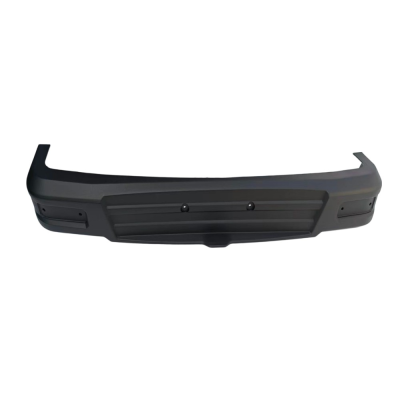
The automotive and trucking industries also rely heavily on customized bumpers, particularly for replacement and repair purposes. Components designed for truck front bumpers must withstand high-impact collisions and provide structural integrity. These parts often require specific hardness ratings and robust construction to meet safety standards. The "Agricultural" sector utilizes rubber bumpers to protect machinery from damage during field operations, where exposure to mud, debris, and uneven terrain is common. In these applications, the material must be resistant to tearing and abrasion.
Industrial settings present another significant use case, where rubber slabs and bumpers are employed for flooring, machinery protection, and safety barriers. The high energy absorption property of these materials makes them ideal for reducing noise and vibration in factory environments. Additionally, the medical and electronic sectors utilize silicone rubber bumpers for their hygienic properties and resistance to cleaning agents. The versatility of these materials allows them to be adapted for a wide range of applications, from household items to complex industrial machinery.
Supplier Evaluation and Selection Criteria
Selecting the right supplier for customized bumpers requires a thorough evaluation of their capabilities, reliability, and alignment with the buyer's specific needs. One of the first steps is to assess the supplier's production capacity and flexibility. Suppliers that offer "OEM welcomed" services and allow for customization in color, shape, and specifications are better equipped to meet unique project requirements. The ability to produce according to custom requests, rather than relying solely on standard SKUs, is a strong indicator of a supplier's adaptability.
Quality assurance systems are another critical factor. Buyers should prioritize suppliers that hold recognized certifications such as CE, ISO14001:2015, or IATF16949:2016. These certifications demonstrate a commitment to quality management and environmental standards. However, it is essential to verify that these certifications are valid and relevant to the specific products being sourced. Additionally, suppliers should provide clear information about their raw materials, ensuring that the rubber used meets the necessary specifications for the intended application.
Logistics and delivery capabilities are also important considerations. The lead time for customized orders can vary, with some suppliers offering delivery within 7 to 15 days, while others may require longer periods depending on the complexity of the order. Buyers should clarify the delivery timeline and ensure that the supplier can meet their project deadlines. Payment terms, such as T/T (Telegraphic Transfer), should also be reviewed to ensure they align with the buyer's financial policies. Finally, the supplier's location, such as Guangzhou, China, can impact shipping costs and lead times, so buyers should factor this into their overall procurement strategy.
Quality Control and Long-Term Procurement Considerations
Ensuring the quality of customized bumpers is essential for maintaining operational efficiency and safety. Buyers should implement a robust quality control process that includes pre-production sampling, in-process inspections, and final product testing. This approach helps identify any defects or deviations from specifications before the products are shipped. For custom orders, it is crucial to agree on acceptance criteria and testing protocols with the supplier to ensure that the final product meets the required standards.
Long-term procurement considerations involve building a sustainable relationship with suppliers who can consistently deliver high-quality products. This includes evaluating the supplier's ability to scale production as the buyer's needs grow and their responsiveness to any issues that may arise. Warranty terms, such as the 12-month warranty offered by some suppliers, provide an additional layer of protection and indicate the supplier's confidence in their product quality. Buyers should also consider the total cost of ownership, including maintenance and replacement costs, when selecting a supplier.
In conclusion, sourcing customized bumpers requires a strategic approach that balances technical specifications, compliance requirements, cost factors, and supplier capabilities. By carefully evaluating these elements, buyers can secure high-quality products that meet their specific operational needs while minimizing risks and ensuring long-term value. The diversity of materials and applications available in the market offers ample opportunities for innovation and optimization, provided that buyers remain diligent in their selection and evaluation processes.
FAQs
What materials are used for customized bumpers?
Customized bumpers are commonly made from natural rubber, silicone rubber, and EPDM. Natural rubber offers high energy absorption for industrial use, while silicone suits medical and electronic applications. EPDM is often selected for agricultural needs requiring durability against harsh conditions.
Which certifications do customized bumper manufacturers hold?
Manufacturers often hold CE certification for European compliance. Some suppliers also possess ISO14001:2015 for environmental management and IATF16949:2016 for automotive quality standards. Buyers should verify these certifications apply to the specific product line being sourced.
How long is the delivery time for custom orders?
The typical delivery time for customized bumper orders is 7 to 15 days. This timeline depends on the complexity of the customization and the supplier's current production capacity. Buyers should confirm specific lead times based on their unique requirements before placing an order.
Can I customize the hardness of the rubber bumper?
Yes, the hardness can be customized within a range of 20 to 90 Shore A. This flexibility allows for selecting softer compounds for impact absorption or harder variants for structural resistance. The specific rating depends on the intended application and load-bearing requirements.
What is the minimum order quantity for these products?
The minimum order quantity varies by supplier, ranging from single items to 100 meters for extruded profiles. Some vendors accept small orders for specialized components, while others require bulk purchases for cost efficiency. Buyers must check specific MOQs with their chosen supplier.
Where are these customized bumpers manufactured?
These products are primarily manufactured in China, with specific origins noted in Guangzhou. The location impacts shipping logistics and lead times for international buyers. Suppliers based in this region often have established export capabilities for marine and industrial sectors.
How are customized bumpers packaged for shipping?
Packaging options include wooden cases, export cartons, and specialized EPE with bubble bags. The choice depends on the product type and destination requirements, with marine parts often needing robust wooden cases. Buyers should specify packaging needs to ensure safe transit.